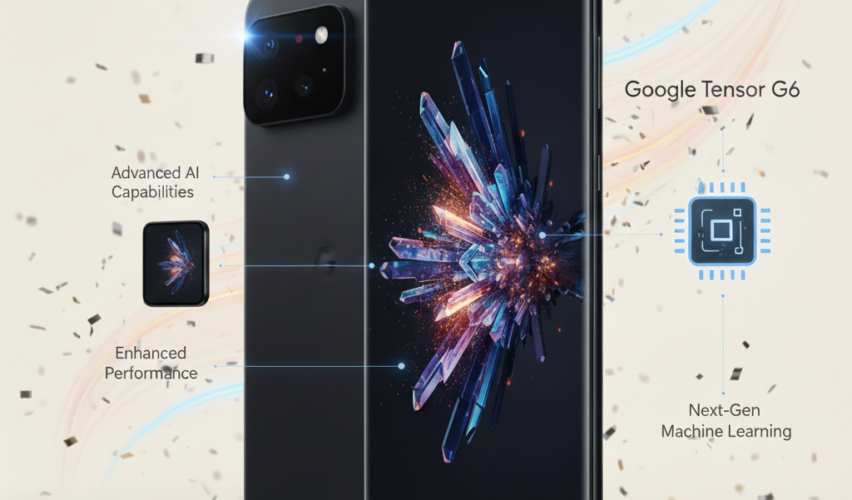
The Google Pixel series is known for its clean Android experience, powerful AI features, and excellent camera performance. With growing curiosity around the Google Pixel 11, one of the most common questions users ask is: which processor powers the Google Pixel 11?
In this blog, we’ll explain the processor expected in the Pixel 11, what it brings to performance, and how it improves everyday usage like photography, AI tasks, and battery efficiency.
Google Pixel 11 Processor: What’s Inside?
The Google Pixel 11 is expected to be powered by the Google Tensor chipset, likely the next-generation Tensor G5 processor. Google has been using its in-house Tensor chips since the Pixel 6 series, focusing more on AI and machine learning rather than raw benchmark numbers.
Unlike traditional chipmakers, Google designs Tensor processors to work closely with Android and Pixel-exclusive features.
What Is Google Tensor and Why It Matters?
The Google Tensor processor is designed to handle:
- AI-powered photography
- Real-time voice recognition
- On-device language translation
- Smart battery and performance optimization
Instead of chasing only high clock speeds, Tensor chips focus on real-world intelligence, which is why Pixel phones feel smooth even with modest hardware compared to other flagships.

Expected Performance of Tensor G5 in Pixel 11
With each new generation, Google improves performance, efficiency, and heat management. The Tensor G5 (expected) in the Pixel 11 should offer:
🚀 Faster Everyday Performance
Apps should open quicker, multitasking should feel smoother, and UI animations should remain consistent even during heavy use.
🤖 Stronger AI & Machine Learning
Pixel-exclusive features like:
- Call screening
- Live voice transcription
- Smart photo editing
- AI wallpapers and summaries
will run faster and more efficiently.
🔋 Better Power Efficiency
Improved chip fabrication and AI-based power management should help the Pixel 11 deliver better battery life compared to earlier models.
Gaming Performance: What to Expect
While Google Tensor chips are not marketed as gaming-first processors, the Pixel 11 should still handle:
- Casual games smoothly
- Popular titles at medium to high settings
- Stable frame rates with better thermal control
Google’s focus is on sustained performance rather than short benchmark bursts, which helps reduce overheating during longer sessions.
How the Processor Improves Camera Performance
The processor plays a huge role in Pixel photography. With Tensor G5, the Pixel 11 camera system is expected to benefit from:
- Faster image processing
- Improved Night Sight performance
- Better HDR and skin tone accuracy
- Enhanced video stabilization
Google’s computational photography relies heavily on the Tensor chip, making the processor just as important as the camera sensor itself.
Software & Update Support
Thanks to Google designing both the hardware and software:
- Android runs cleaner and faster
- Pixel phones receive long-term Android and security updates
- New AI features often arrive first on Pixel devices
The Pixel 11 processor will be tightly optimized for future Android versions, ensuring smooth performance for years.
How Pixel 11’s Processor Compares to Other Flagships
Compared to Snapdragon or Apple chips:
- Tensor focuses more on AI features than raw gaming power
- Daily tasks feel smooth and consistent
- Camera and voice features outperform many competitors
If your priority is smart features, camera quality, and clean Android, the Pixel 11 processor is well-suited for your needs.
Who Should Care About the Pixel 11 Processor?
The Google Pixel 11 is ideal for users who:
- Want the best Android experience
- Use AI features frequently
- Care about camera quality more than gaming benchmarks
- Prefer long-term software updates
If raw gaming performance is your top priority, other phones may score higher—but for intelligent, everyday performance, Pixel shines.
Final Thoughts
The Google Pixel 11 is expected to use the Google Tensor G5 processor, continuing Google’s focus on AI-driven performance and smart features. While it may not chase benchmark records, it delivers where it matters most—real-life speed, photography, and intelligent software experiences.
If you’re planning to buy a Pixel phone, the processor inside the Pixel 11 is designed to make daily use smarter, smoother, and more future-ready.