Marketing in 2026 is no longer about guesswork. Brands that grow fast are the ones that understand their data and act on it. This is where marketing analytics becomes extremely important. It helps businesses know what is working, what is not, and where to invest money and effort.
In this blog, we will explain why marketing analytics matters in 2026 and how you can use it the right way, in very easy language.
What Is Marketing Analytics?
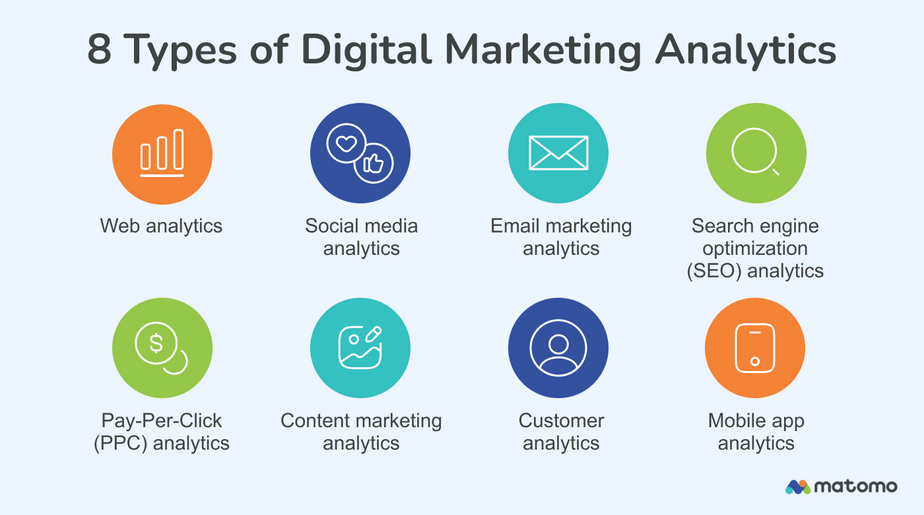
Marketing analytics means collecting, measuring, and analyzing marketing data to improve performance.
This data can come from:
- Website traffic
- Google Ads and social media ads
- Email campaigns
- Sales and conversions
- Customer behavior
Simply put, marketing analytics answers questions like:
- Where are customers coming from?
- Which campaign gives the best results?
- Why are users not converting?
Why Marketing Analytics Is More Important in 2026
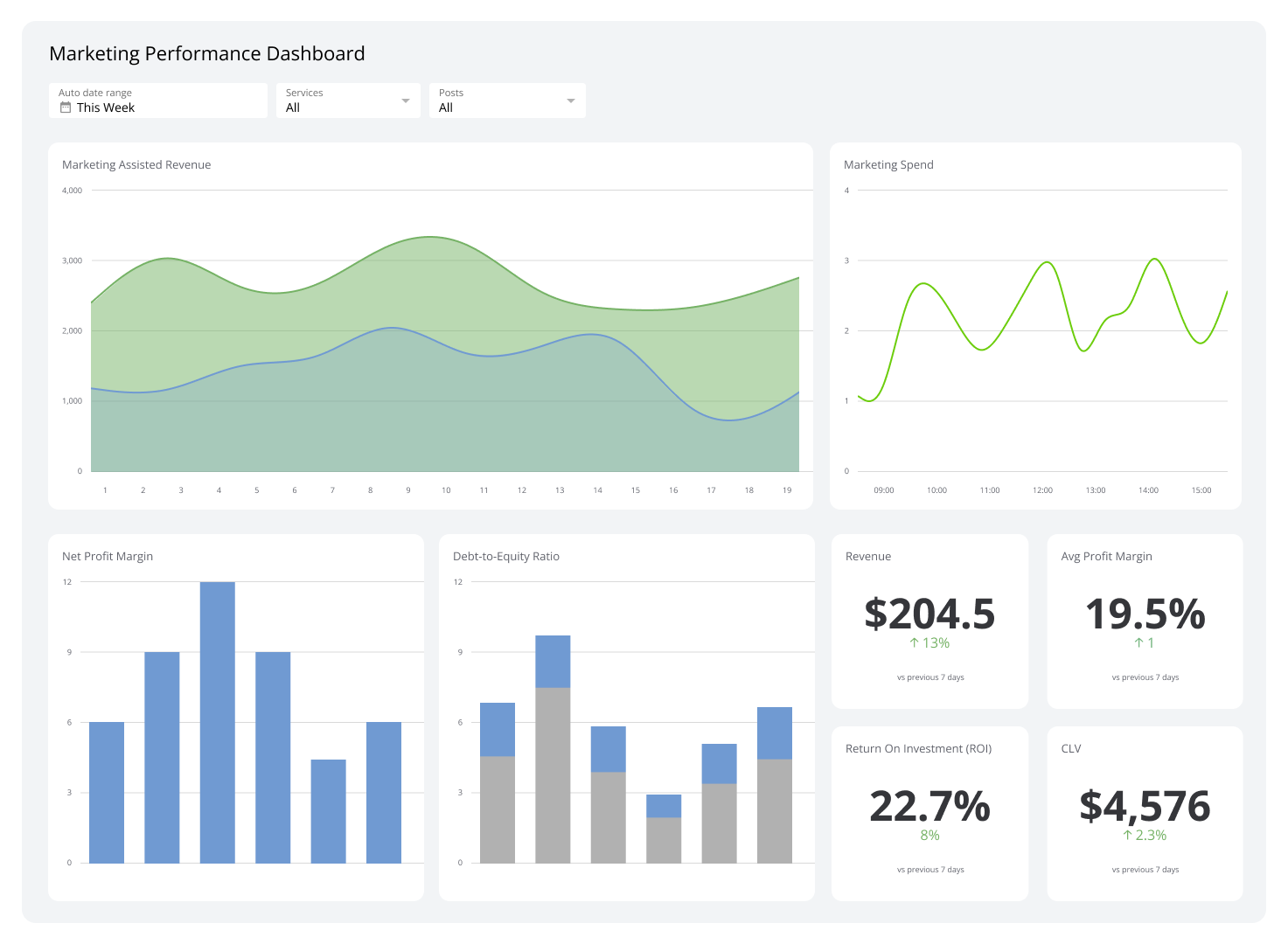
4
1. Customer Behavior Is Changing Fast
Customers today use:
- Mobile phones
- Voice search
- Social media
- AI-powered recommendations
Their journey is not linear anymore. Marketing analytics helps you track customer behavior across multiple channels and understand real intent.
2. Ad Costs Are Increasing
In 2026, digital ads are more competitive and expensive. Without analytics:
- You may waste money on low-performing ads
- You may target the wrong audience
Marketing analytics helps you:
- Reduce ad waste
- Improve ROI
- Focus on high-performing channels
3. AI and Automation Depend on Data
AI tools cannot work without clean and accurate data.
Marketing analytics provides the foundation for AI-driven marketing, such as:
- Automated bidding
- Personalized content
- Smart audience targeting
Better data = smarter AI decisions.
4. Businesses Need Proof, Not Assumptions
In 2026, decision-makers want numbers, not opinions.
Analytics helps marketers clearly show:
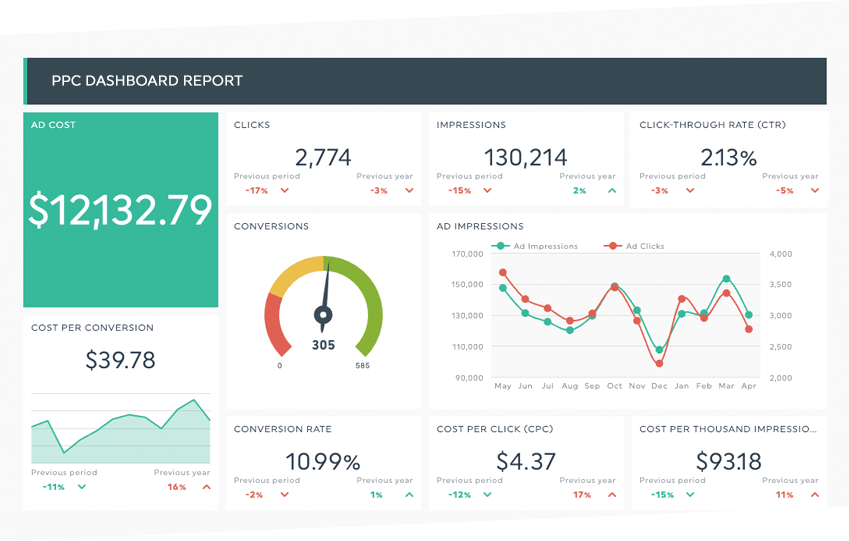
- Revenue generated
- Cost per lead
- Conversion rate
- Customer lifetime value
This builds trust between marketing teams and management.
Key Benefits of Marketing Analytics
Here’s how marketing analytics helps your business:
- Better decision-making
- Clear performance tracking
- Improved customer targeting
- Higher conversion rates
- Stronger marketing strategy
In short, it turns data into action.
Important Marketing Metrics You Should Track
To use marketing analytics correctly, focus on the right metrics.
1. Traffic Metrics
- Website visitors
- Traffic sources (organic, paid, social)
- New vs returning users
These metrics show where users come from.
2. Engagement Metrics
- Time on page
- Bounce rate
- Pages per session
These metrics show how users interact with your content.
3. Conversion Metrics
- Conversion rate
- Leads generated
- Sales completed
These metrics show actual business results.
4. Cost Metrics
- Cost per click (CPC)
- Cost per lead (CPL)
- Cost per acquisition (CPA)
These metrics help control marketing spend.
How to Use Marketing Analytics the Right Way in 2026
1. Set Clear Goals First
Never collect data without a purpose.
Start with clear goals like:
- Increase website sales
- Generate quality leads
- Improve brand awareness
Analytics should always support a goal.
2. Use the Right Tools
Some commonly used tools are:
- Website analytics tools
- Ad platform dashboards
- CRM systems
Do not use too many tools. Use only what you can manage properly.
3. Focus on Insights, Not Just Numbers
Numbers alone do not help.
You must ask:
- Why did this campaign fail?
- Why did conversion drop?
- Why is one channel performing better?
Insights lead to better strategy changes.
4. Combine Data From Multiple Channels
Users do not stay on one platform.
Combine data from:
- Website
- Ads
- Social media
This gives a complete customer journey view.
5. Test, Learn, and Improve
Marketing analytics works best with testing:
- A/B test ads
- Test landing pages
- Test audiences
Learn from results and improve continuously.
Common Mistakes to Avoid
Many marketers fail even after using analytics. Avoid these mistakes:
- Tracking too many metrics
- Ignoring data quality
- Making decisions too fast
- Not acting on insights
Remember, analytics is useful only when action follows data.
The Future of Marketing Analytics
In the coming years:
- Analytics will be more AI-driven
- Real-time insights will grow
- Personalization will increase
- Predictive analytics will become common
Businesses that invest early will stay ahead.
Final Thoughts
Marketing analytics is no longer optional in 2026—it is essential. It helps you understand customers, control costs, improve performance, and grow faster. When used correctly, it removes guesswork and brings clarity to marketing decisions.
Start simple. Track the right metrics. Focus on insights.
That’s how you use marketing analytics the right way.