
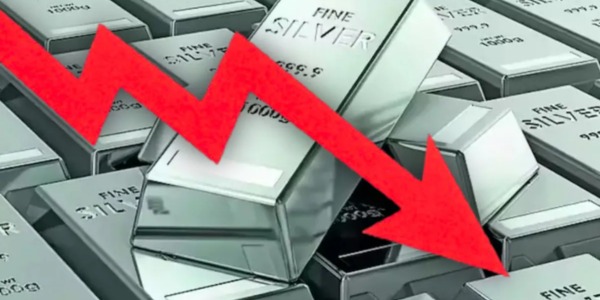
In early 2026, silver prices made a huge jump to record highs, then crashed hard in just a few days. Many people lost money fast, and everyone wants to know the silver price crash reasons. This blog explains the main causes in simple English. We look at the big rally first, the sudden drop, and what experts think comes next. We use facts from market news and reports to keep it real.
Silver Crash 2026 Analysis
Silver started 2026 very strong. Prices rose a lot in January because of strong demand from industries like solar panels, electric cars, and electronics. There was also a global shortage of physical silver, and many investors bought it as a safe place during uncertainty.
But then, on January 31, 2026, silver fell over 30% in one day—the biggest single-day drop in many years. Gold also dropped sharply (over 12%). By early February, silver was trading around $80–$88 per ounce after losing a big part of its gains.
This was not a small correction. It was a fast selloff after a bubble-like rally. Prices had gone up too quickly, and the market needed to cool down.
Gold Silver Price Crash: Why Both Metals Fell Together
Gold and silver often move together, but silver moves more strongly (it is more volatile). In 2025 and early 2026, both metals rose a lot—silver even more than gold (up over 150% in some periods).
When the crash came:
- Investors sold both to take profits after big gains.
- Global worries, like trade wars and political tensions, made people nervous. Changing interest rates added to the anxiety.
- Some experts say the rally was too fast, like a “bubble,” so the drop was a natural reset.
This gold silver price crash hurt many small investors who bought on high excitement.
Silver Market Selloff Causes: The Main Triggers
Here are the top silver market selloff causes that experts talk about:
- Profit-taking after big rally — Many people bought low and sold high to lock in gains. When prices hit records, selling pressure grew fast.
- Margin calls and forced selling — Traders borrowed money to buy silver. When prices fell, they had to sell. This added more downward pressure.
- Over-leveraged positions — In futures markets, people used high leverage to control more metal. A small drop forced them to sell everything.
- Economic signals — News about interest rates, the strength of the dollar, and slowing industrial demand caused fear.
- Technical factors — Charts showed “overbought” signals, so traders sold when key levels broke.
These causes mixed together and made the selloff very sharp.
CME Margin Hike Silver Impact: How Exchange Rules Made It Worse
The Chicago Mercantile Exchange (CME) is where many silver futures trades happen. They raised margin requirements (the money traders must keep in accounts) several times.
- During the rally, CME hiked margins to control risk when prices went wild.
- After the big drop on January 31, they raised margins again (for example, silver margins went to 15% in some cases).
The CME margin hike impacted silver prices. It forced many traders to sell. They didn’t have enough cash to hold their positions. Smaller traders got pushed out first, adding to the crash speed.
Some believe these hikes can prevent bigger problems later. However, in the short term, they make selloffs worse.
What Comes Next? Nuances and Edge Cases
Not everyone thinks the crash means the end of silver’s good times.
- Bullish view: Strong industrial demand (solar, EVs) and supply shortages could push prices back up in 2026. Some forecasts say silver averages $50–$65, or even higher if demand stays high.
- Bearish view: If the economy slows or dollar gets stronger, silver could stay lower for longer.
- Edge cases: If new geopolitical problems arise, people might buy silver again as a safe asset. Or if industrial use drops (example: slower EV sales), prices fall more.
Volatility will stay high. Many experts say “buy the dip” only if you have a long-term plan—don’t chase quick trades.
Final Thoughts on Silver Price Crash Reasons
The silver price crash in 2026 is caused by a mix of factors. Fast gains led to profit-taking. Margin pressures added to the problem. Global concerns also played a role. The CME margin hike and over-leveraged trading worsened the situation. What started as a normal correction turned into a historic drop. But silver has a strong future because of real-world use in green energy and tech. If you hold or invest, focus on long-term reasons, not short-term panic. Always do your own research before making moves. What do you think—will silver recover soon?